I Have Too Much Debt: What to Do When You Can’t Cope Anymore in Quebec?
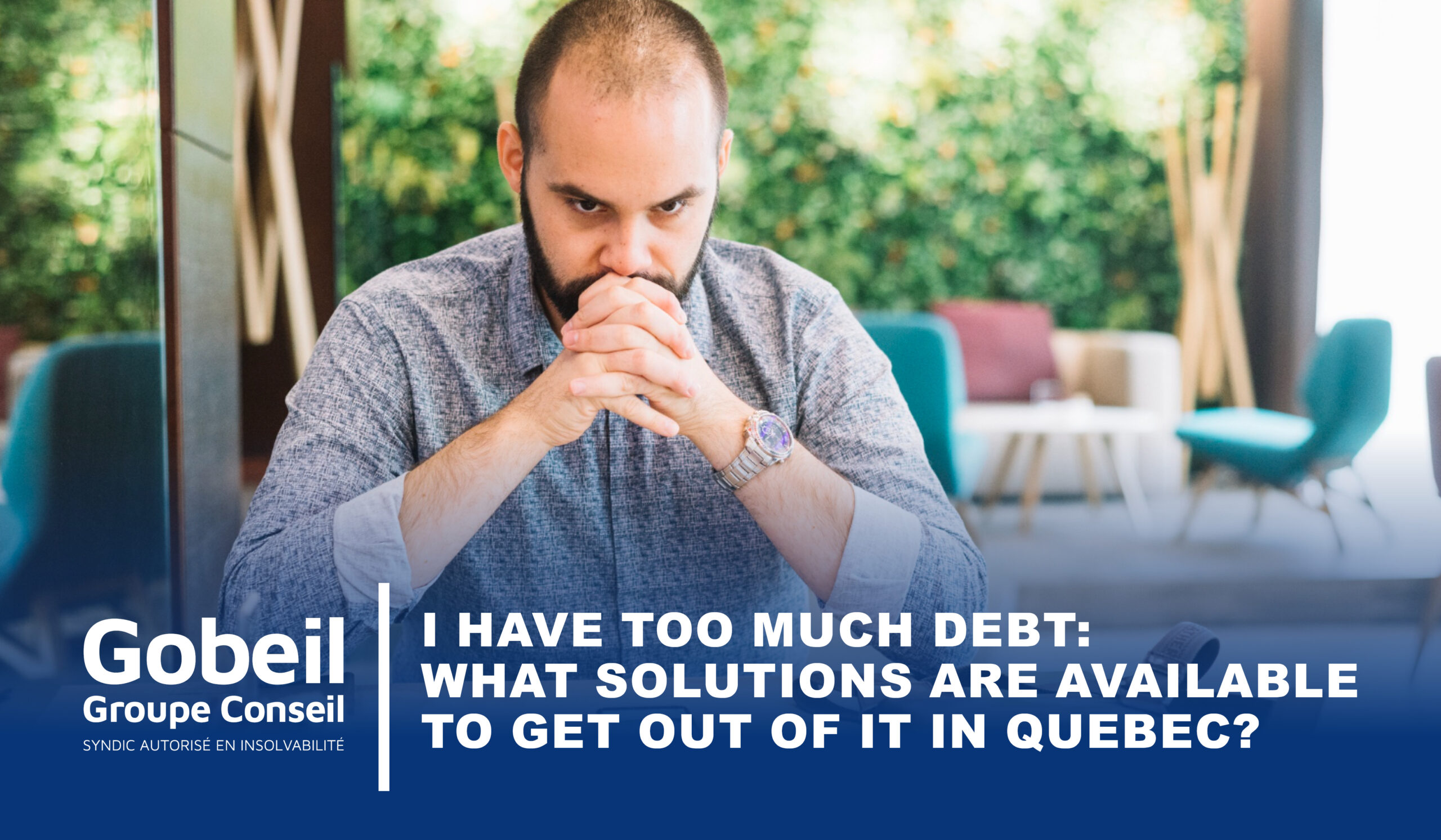
How do you get out of debt? It’s a question thousands of Quebecers are asking themselves in 2026.
Whether your difficulties stem from credit cards, personal loans, or taxes owed to the Canada Revenue Agency or Revenu Québec, there are solutions available.
Legal mechanisms exist to ease the financial burden and rebuild on a stable foundation. This article explains the indicators of excessive debt, why it becomes difficult to manage, and the paths to getting out of debt.
What Are the Signs That You Have Too Much Debt?
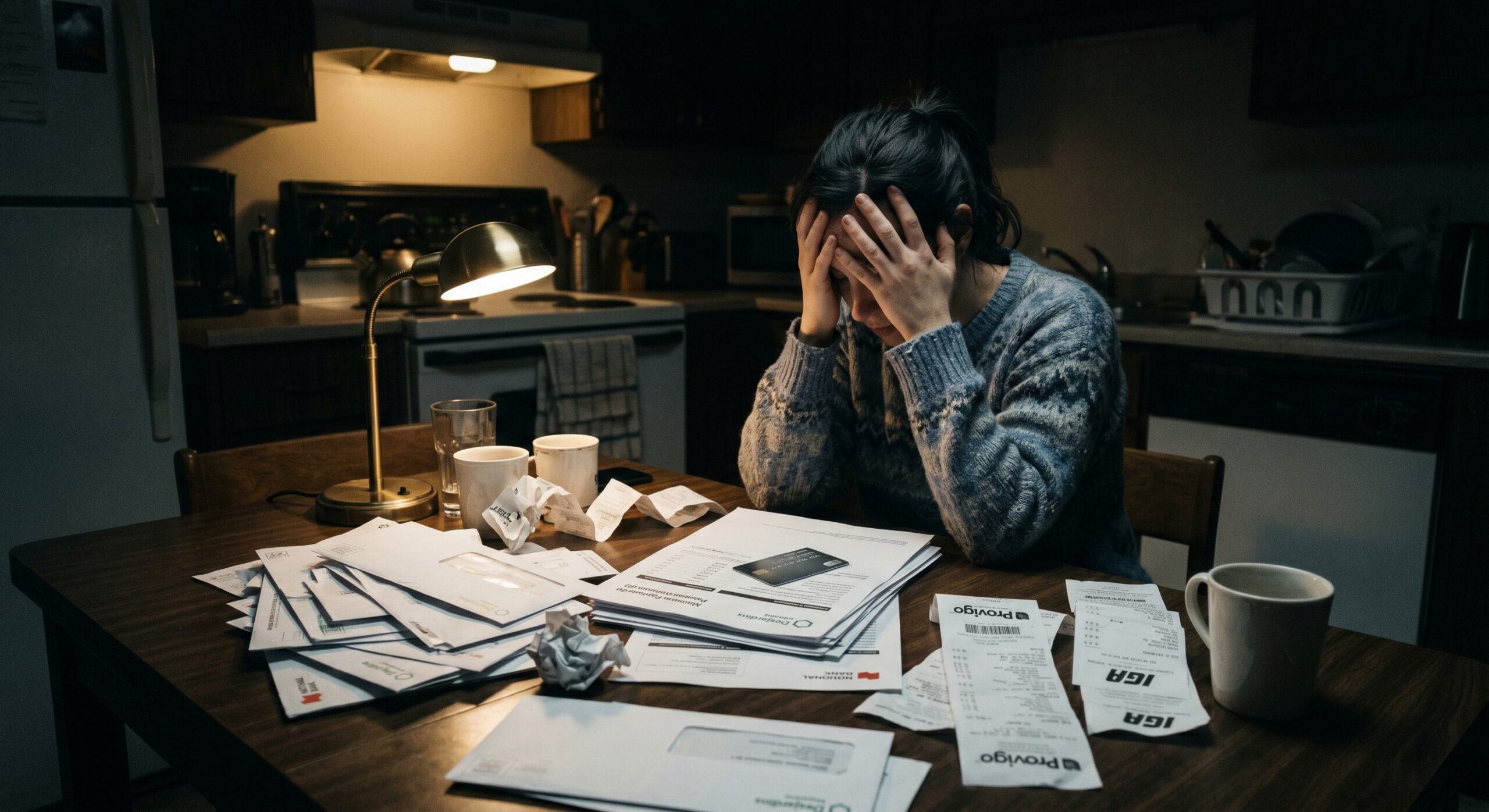
Detecting early signs that your financial situation is becoming uncontrollable is the first step to take:
Minimum Credit Card Payments
When only minimum payments are made on a credit card each month, most of the money goes toward interest, leaving the principal nearly untouched. This can go on for a long time without solving the underlying problem.
Excessive Use of Credit
If you start using your credit cards or line of credit to fund everyday expenses like groceries or bills, it probably means your budget is out of balance.
Ongoing Financial Stress
Constant financial stress also manifests as worry about bills, avoiding bank statements, or repeated calls from creditors.
Why Do Debts Become Unmanageable?
Several factors can make your debts increasingly difficult to handle. Here is why things get complicated:
High Interest Rates
Credit cards and some personal loans carry very high rates, sometimes around 19% or more, which quickly increases the overall debt.
A large portion of repayments mostly serves to cover interest rather than reducing the principal borrowed.
Accumulation of Debt
When you accumulate multiple debts from different sources (credit cards, loans, lines of credit, or tax debts), they add up quickly and can cause over-indebtedness.
Multiplication of Creditors
The increasing number of creditors (Revenu Québec, CRA, banks, private lenders) makes managing your debts even more difficult.
You have to juggle multiple payments, due dates, and sometimes even collection procedures.
Solutions to Get Out of Debt
If you are in a situation of financial overload, there are legal solutions to get you out of excessive debt. Here are the main options available in Quebec.
Debt Consolidation
Debt consolidation involves merging multiple obligations into a single monthly payment, which simplifies management and can sometimes reduce interest (depending on the rate obtained).
Advantages:
- Simplified payment management
- Possibility of reducing interest if a better rate is obtained
- Better financial organization
Limits:
- Does not reduce the overall amount of debt
- Generally requires a good credit history to obtain favorable terms
Consumer Proposal
A consumer proposal allows you to negotiate with creditors to reduce the total debt. A portion remains to be paid, while the rest is cancelled.
Advantages:
- Reduction of debts to be repaid
- No interest to pay
- Protection against lawsuits and calls from creditors
- Possibility of keeping your assets
Limits:
- A stable income is required to repay the negotiated portion
- This process remains on your credit file for several years
Personal Bankruptcy
Personal bankruptcy is a last-resort solution to quickly eliminate most of your debts. It allows you to start fresh, but with consequences for your credit file and your ability to obtain financing for several years.
Advantages:
- Erases most of your debts
- Reduced monthly payments
- Fast repayment of your debt
- Allows a fresh financial start
Limits:
- Has a significant impact on your credit file
- Certain debts cannot be erased (tax debts, student loans)
Which Solution to Choose Based on Your Situation?
The best option depends on your personal financial situation. Here is a simple guide to help direct your choice:
For moderate debt with a good credit history, debt consolidation may be preferable.
For significant debts but partially repayable with reduced payments, a consumer proposal is a relevant solution.
For debts that are too heavy and impossible to repay, bankruptcy sometimes becomes the only option.
In all cases, consulting a licensed insolvency trustee remains essential to analyze the situation and receive guidance. In many cases, an open discussion with creditors can lead to more flexible payment arrangements.
Acting early often helps limit debt growth and avoid more serious long-term consequences. The important thing is not to ignore notices or calls related to debts, as this can worsen the overall financial situation. Taking the time to assess your income, obligations, and financial priorities helps you choose a realistic solution and avoid falling back into a difficult debt situation.

The Role of the Licensed Insolvency Trustee
A licensed insolvency trustee, such as GOBEIL SYNDIC, is a qualified professional who can help you manage your financial situation. They play a key role if you opt for a consumer proposal or personal bankruptcy.
The trustee is there to:
- Analyze your financial situation
- Explain the legal options available to you
- Negotiate with your creditors (for the consumer proposal)
- Manage the bankruptcy procedure if necessary
The consultation is free, which allows you to discuss your options without commitment.
When to Ask for Help?
As soon as you realize your debts are becoming difficult to manage, do not hesitate to consult our trustee. If you notice:
- A cash shortage at the end of the month
- Debt payments that leave you little or no money for other essential needs
- Creditors who are starting to harass you
The longer you wait, the more financial stress increases. Acting quickly allows you to keep more options open and find the most appropriate solution.
Take Action Now
Don’t let your debts take over. Schedule an appointment with GOBEIL SYNDIC for a free telephone assessment of your situation.
We serve all cities in Quebec since all steps can be done by phone, email, and video conference. We will be able to help you choose the most suitable solution to ease your financial burden and get back on solid footing.
FAQ
Can I get out of debt without going bankrupt? Yes, it is possible to get out of debt without going bankrupt. Solutions such as debt consolidation or a consumer proposal may be sufficient to ease your financial burden.
What is the best solution for my debts? The best solution depends on your situation. If you have manageable debt, debt consolidation could be an option. If you need to reduce the amount of your debts while not paying interest, a consumer proposal could be the best alternative. A licensed insolvency trustee will be able to guide you in your choice.
How much debt is too much? If you are struggling to meet your monthly payments, or if your debts are growing faster than your ability to repay them, it is probably too much. It is then time to consult a trustee to assess your situation.
Can my debts be reduced? Yes, in certain cases, your creditors may agree to reduce the amount of your debts (and even cancel the interest) if you opt for a consumer proposal.
Take Action Now
You don’t have to face this situation alone. Solutions exist, and they are governed to protect you.
Book your free consultation with an advisor from GOBEIL SYNDIC to get a clear picture of your situation and identify the best strategy to get you out of debt.
The consultation can be done by phone, video conference, or in person. We serve all cities in Quebec.