
What Is a Licensed Insolvency Trustee in Quebec (and Canada)?
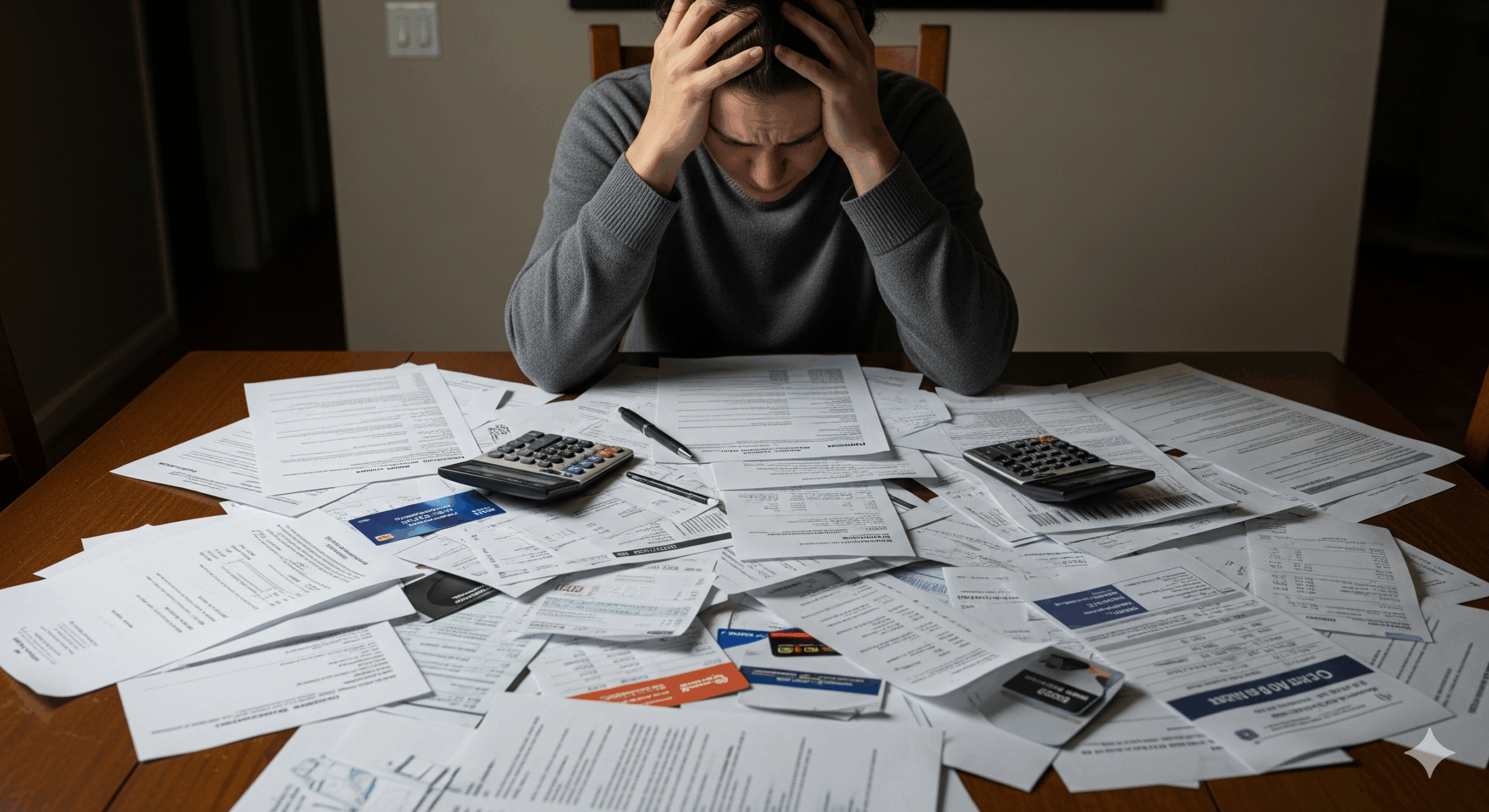
When debts accumulate and it becomes difficult, if not impossible, to repay everything (or even make the requested monthly payments), it is natural to look for concrete solutions.
In Quebec and across Canada, the person best placed to guide you is the Licensed Insolvency Trustee, also known as a “bankruptcy trustee” or Insolvency trustee.
But what exactly is a trustee? What is their role and how can they help you regain your financial balance? This article provides the information you need.
The Role of a Licensed Insolvency Trustee
A Licensed Insolvency Trustee is a professional who represents the federal government (via the Office of the Superintendent of Bankruptcy). They are the only experts legally authorized to administer insolvency proceedings in Canada, specifically:
Personal bankruptcy;
The consumer proposal.
The bankruptcy trustee has a dual mandate: to help indebted individuals find a solution, while ensuring fair treatment for creditors. Their primary functions are:
Evaluating the financial situation of the indebted person;
Proposing viable options according to the Bankruptcy and Insolvency Act;
Filing legal documents;
Protecting the indebted person against seizures or creditor legal actions;
Supervising the repayment of debts.
The trustee is there to advise you objectively and help you get back on your feet financially. They are an impartial ally, regulated by the government, whose role is to lead you toward financial stability while respecting your rights.
When to Consult a Trustee?
Contrary to what one might think, you do not need to be in a bankruptcy situation to consult a trustee. In fact, it is often better to consult as early as possible when you have difficulty repaying your debts, before the situation becomes critical.
Here are some signs that it is time to make an appointment with a trustee:
You have difficulty making minimum payments on your credit cards and other personal loans;
You use one credit card to pay the minimum amount on another card;
You receive calls or letters from collection agencies;
Your debts are affecting your mental health or personal life;
Your income is no longer sufficient to cover your current expenses.
The first consultation with a trustee is always free. It is an opportunity to ask your questions, without judgment or obligation, and to obtain a reliable financial diagnosis. Book your appointment for a free consultation.
Solutions Offered by a Trustee
The trustee will take the time to discuss your financial situation and propose the option best suited to your goals, income, and assets/liabilities:
The Consumer Proposal
This is a legal agreement between you and your creditors, negotiated by the trustee. It allows you to:
Significantly reduce the total amount of your debts (up to 70%);
Pay a reduced, interest-free monthly amount (for 5 years);
Avoid bankruptcy;
Keep your assets (house, car, RRSPs).
The consumer proposal is the most widely used alternative to bankruptcy in Quebec, as it allows you to repay only part of your debts according to your financial capacity. Your credit file will be less affected than with a bankruptcy, which is also an attractive advantage. To be eligible for a consumer proposal, your assets (house, vehicle, investments, etc.) must be worth less than your debts and you must have a stable income. Learn more about the consumer proposal
Personal Bankruptcy
If your debts are too heavy and your income is insufficient to make a consumer proposal, our trustee can support you through the personal bankruptcy process.
This legal process is shorter than the consumer proposal (monthly repayments generally last between 9 and 21 months for a first bankruptcy) and you are then released from your unsecured debts. Furthermore, bankruptcy puts an end to seizures and calls from your creditors. The trustee handles all formalities: bankruptcy declaration, transfer of seizable assets, communication with creditors, and more. Discover the steps of personal bankruptcy
Debt Consolidation
Even if you do not immediately choose one of the two previous solutions (which are overseen by the trustee), we can advise you regarding debt consolidation. This is a loan you obtain on your own from a financial institution to group your debts to reduce overall interest. Our trustee can also offer advice to help you establish a budget and guide you toward community resources or support programs.

How to Choose the Right Trustee?
There are several trustee firms in Quebec, including GOBEIL GROUPE CONSEIL (serving all cities in the province). Here are a few criteria for making an informed choice:
Valid License: Ensure the trustee is properly authorized by the Office of the Superintendent of Bankruptcy. You can verify their permit on the OSB website.
Free, No-Pressure Consultation: The trustee should offer a first meeting for free, without obligation, and explain your options neutrally.
Transparency on Costs: If certain solutions involve fees, these must be clearly explained from the start.
Accessibility and Listening: A good trustee takes the time to answer your questions without using jargon and supports you at every step of the process.
FAQ – Frequently Asked Questions
Is a trustee free in Quebec? Yes, the first consultation is always free. You can meet a trustee, have your situation evaluated, and receive advice at no cost or obligation. If you choose to file for bankruptcy or a consumer proposal, the trustee’s fees are generally added to the overall amount of debt that you will pay through a single monthly installment.
Will the trustee seize all my assets if I file for bankruptcy? No. Several assets are exempt from seizure, including: your essential furniture, your car (depending on its value), your RRSPs (except for recent contributions), as well as your clothing and personal effects. The trustee will explain what you can keep based on your situation.
How does an insolvency trustee function in Canada? All authorized trustees in Canada are regulated by the Bankruptcy and Insolvency Act and supervised by the Office of the Superintendent of Bankruptcy. They are required to respect a code of ethics and protect the rights of both parties (indebted person and creditors).
Will my debts be erased after bankruptcy? Most unsecured debts (credit cards, personal loans, cell phone debts, etc.) will be erased. Certain debts like fines, alimony payments, or fraudulent debts cannot be canceled.
Book Your Free Consultation!
Whether you are considering personal bankruptcy, a consumer proposal, or simply looking for advice to better manage your debts, consulting our authorized trustee is a concrete step toward financial freedom.
Book your appointment now! The advisors at GOBEIL GROUPE CONSEIL serve all cities in Quebec.