Credit Cards: Consolidation, Consumer Proposal, or Bankruptcy?
If your credit card debt is becoming difficult to manage, you are not alone. Every year, thousands of Canadians seek solutions to reduce financial stress and regain balance.
Three legal options are available to you: debt consolidation, a consumer proposal, and personal bankruptcy. This article clearly explains how each one works, as well as their advantages and limitations, to help you make an informed choice based on your situation.
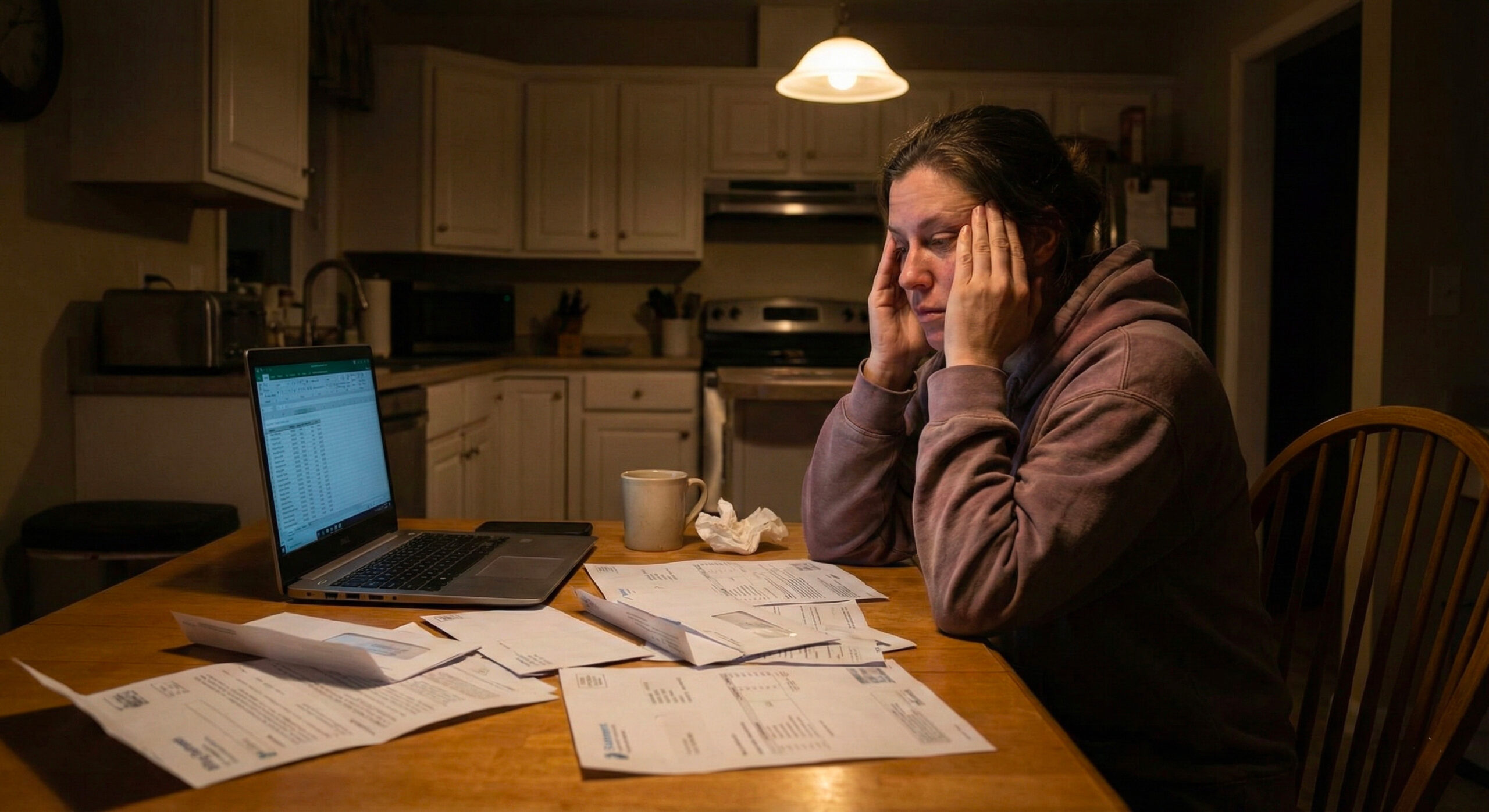
Why Credit Card Debt Poses a Particular Problem?
Credit cards are convenient, but they can quickly become a financial trap. Three factors explain why they are particularly problematic:
High Interest: Credit cards often have very high interest rates, sometimes exceeding 20% per year. Even small debts can grow quickly if you only pay the minimum.
No Real Ceiling: Unlike a classic personal loan, it is easy to keep spending with a card, especially if you have several cards with different limits.
Rapid Accumulation: Between interest, annual fees, and cash advances, credit card debt can double in a few years, making management nearly impossible without a structured plan.
Read our article: Credit Card Debt: What to Do When Payments Become Impossible?
Debt Consolidation
How Does It Work?
Credit card debt consolidation involves grouping all your debts into a single loan. You then repay this loan at an interest rate that is often lower than your individual cards.
Advantages: * Only one monthly payment to manage.
Potentially lower interest rate.
Ability to pay off debt faster.
Limitations: * Eligibility depends on income and credit score.
Some loans require collateral, such as a home or a vehicle.
If you continue using your cards after consolidation, debt can become a problem again.
Concrete Example: If you have three cards totaling $15,000 at 22% interest, a consolidation loan at 12% could reduce your interest and bring your monthly payment down to a more manageable level.

Consumer Proposal
Legal Framework
The consumer proposal is a solution governed by the Bankruptcy and Insolvency Act, available to over-indebted Canadians. It allows you to offer your creditors a reduced payment, INTEREST-FREE, spread over a fixed period.
Reduction of the Total Amount: On average, card debt can be reduced by 20% to 50%, depending on your situation and negotiations with creditors.
Fixed Monthly Payment: The proposal sets a clear and stable monthly payment, often lower than what you would have paid by repaying your cards individually.
Protection Against Creditors: Upon filing the proposal, your creditors can no longer initiate legal action or seize your assets. This provides immediate relief and a secure framework for repaying your debts.
Concrete Example: If you owe $20,000 on your cards, a proposal could reduce this amount to $14,000 over 5 years, with a fixed monthly payment (interest-free) and no further pressure from creditors.
Personal Bankruptcy
When Does It Become Necessary?
Bankruptcy is the ultimate solution when debt is too heavy to be repaid or when no other option is viable.
Effects on Credit Cards: All your card debts are canceled, but your cards are immediately revoked. You lose access to credit until your credit record is rehabilitated.
Consequences: * Major impact on your credit score for several years.
Possible loss of certain personal assets.
Obligation to follow a repayment plan established with the trustee to settle your debts in a regulated and legal manner.
Bankruptcy should only be considered after exploring consolidation and consumer proposals, as it has lasting consequences on your financial situation.
Comparison Table of Solutions
| Solution | Amount to Repay | Duration | Impact on Credit Score | Protection Against Creditors |
| Credit Card Consolidation | 100% of debts | 2 to 5 years | Medium | Limited (depends on the loan) |
| Consumer Proposal | 50% to 80% (case-by-case) | 3 to 5 years | Moderate | Total upon filing |
| Credit Card Bankruptcy | $0 (debts cleared) | 9 to 21 months | High | Total |
How to Choose the Right Solution?
Several factors influence your choice:
Debt Level: The higher your debts, the more relevant a proposal or bankruptcy may be.
Income: Having a stable income allows you to consolidate debts or be eligible for a consumer proposal.
Repayment Capacity: If your current payments exceed your income, a proposal or bankruptcy is often more suitable than consolidation.
Assets: Consumer Proposal: Your assets are protected in most cases, but if you have significant assets (home, luxury vehicle, investments), the trustee may ask you to use part of their value to repay creditors.
Debt Consolidation: Some consolidation loans require collateral (home or car). Without these assets, you might not be eligible.
Bankruptcy: Certain non-exempt assets may be sold to repay creditors. The more assets you have, the higher the risk that some will be liquidated.

The Role of the Licensed Insolvency Trustee (LIT)
A Licensed Insolvency Trustee acts as a neutral and legal guide throughout these processes:
Neutral Analysis: Evaluates your situation and compares all options.
Legal Support: Files the proposal and explains your obligations.
Protection: Ensures your rights are respected and that you benefit from a tailored solution.
Book Your Free Consultation!
To learn more about consumer proposals, book a free consultation now (by phone, video call, or in person). At GOBEIL SYNDIC, we have helped thousands of people escape debt quickly. We are at your service!